Carbon Monoxide (CO) and Carbon Dioxide (CO2) are invisible, odorless gases that can create serious health hazards if they accumulate in a home, office, or industrial facility.
CO, often called the “Silent Killer,” interferes with the blood’s ability to carry oxygen, leading to headaches, dizziness, unconsciousness, and potentially death. CO2, in high concentrations, can cause hypercapnia, resulting in fatigue, shortness of breath, confusion, and cardiovascular stress.
At Asbestos & Mold Services LLC, we provide professional CO and CO2 testing in Houston to help homeowners, businesses, and industrial operators ensure their buildings are safe and compliant with indoor air quality standards.
Because these gases are colorless and odorless, you often won’t know there’s a problem until symptoms appear. Headaches, dizziness, and fatigue are early warning signs, while prolonged exposure can lead to respiratory distress, organ damage, or loss of consciousness.
Indoor gas buildup often happens due to poor ventilation or malfunctioning equipment, which can impact health, productivity, and property liability. Routine testing is the safest way to protect occupants and catch issues before they become emergencies.
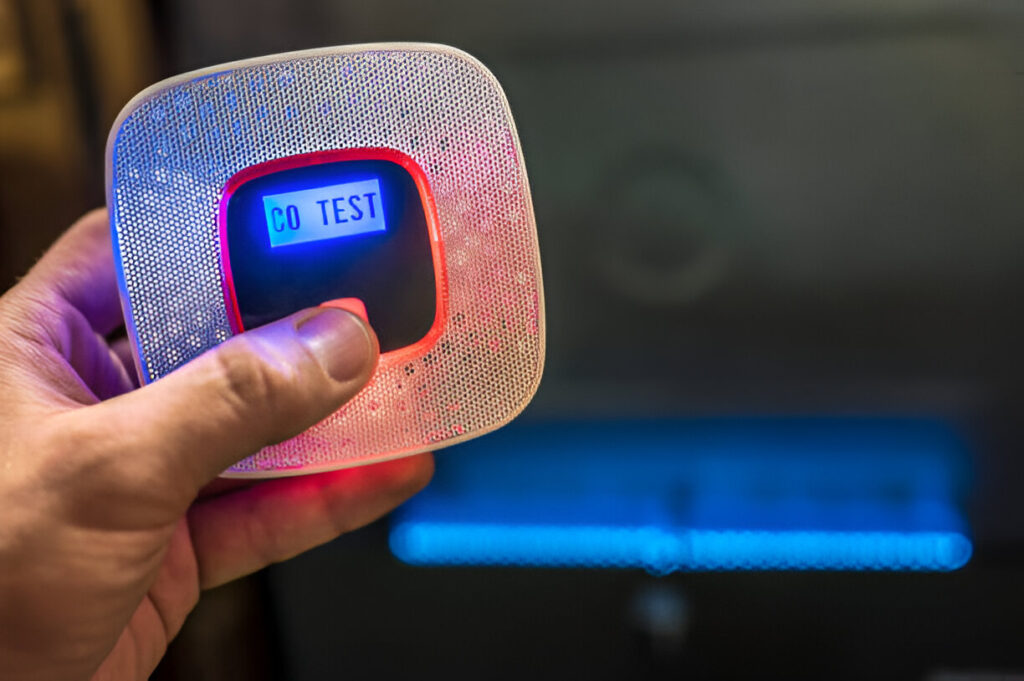
CO and CO2 can enter or accumulate in your property from several sources, including:
Properties with limited air circulation or inadequate HVAC systems are especially vulnerable to gas buildup.
Our certified testing team follows a step‑by‑step process to detect and document any indoor gas risks.
First, we perform a comprehensive property assessment to identify potential gas sources and ventilation concerns. We then monitor CO and CO2 levels using professional‑grade detection equipment that can spot even trace amounts.
After testing, you receive a clear, detailed report that explains our findings, including areas of concern and actionable recommendations. If elevated gas levels are detected, we’ll advise on ventilation improvements, equipment inspection, or additional safety measures.
This process is non‑invasive and can typically be performed without disrupting home or business operations.

Any property with gas appliances, machinery, or enclosed spaces can benefit from regular testing. We commonly work with:
Routine testing is an easy, proactive step to prevent accidents and protect the health of everyone in your building.
Don’t leave the safety of your property to chance.
📞 Call 713-890-2003 to schedule residential, commercial, or industrial CO/CO2 testing in Houston, TX.
We provide accurate results, professional recommendations, and peace of mind that your air is safe to breathe.
CO binds to red blood cells and prevents oxygen from reaching vital organs, causing suffocation and potentially fatal outcomes.
Early symptoms include headaches, dizziness, nausea, and fatigue. Testing is the only reliable way to measure gas levels.
Homes should be tested annually, and commercial or industrial facilities should test regularly or as required by OSHA
No. Testing is quick and non‑invasive, allowing normal home, office, or facility operations to continue.
Yes. Identifying and fixing ventilation or equipment issues reduces gas buildup and lowers Sick Building Syndrome risks.
Reach out now for prompt, reliable Services— our certified professionals ensure your safety and satisfaction at every step.